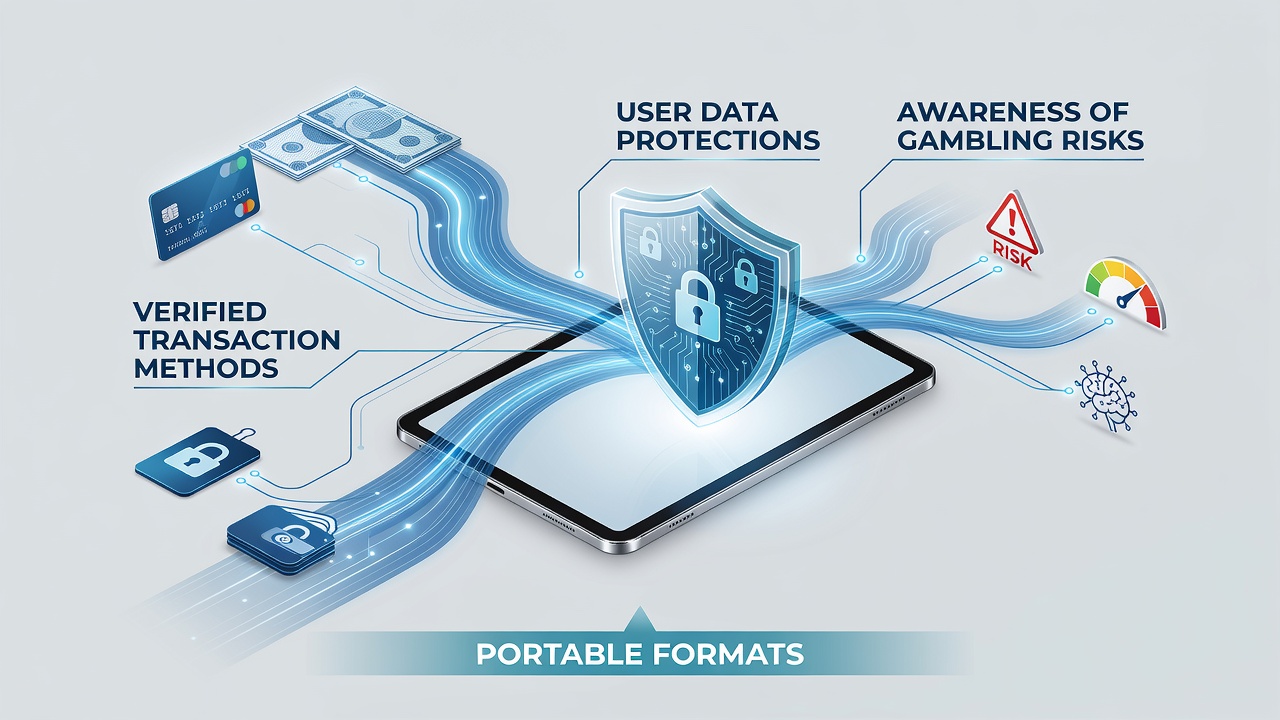
Connecting Verified Transaction Methods to User Data Protections for Better Awareness of Gambling Risks in Portable Formats
Verified transaction methods link directly to user data protections when operators handle mobile gambling activity across portable formats, and this connection supports clearer awareness of gambling risks for players in Austria. Payment systems that confirm identity through bank accounts or licensed e-wallets feed into data frameworks governed by GDPR requirements, which limit how personal details move between apps and servers on smartphones and tablets.
Transaction Verification in Mobile Gambling Contexts
Operators in Austria integrate verified payment channels such as instant bank transfers and regulated digital wallets that cross-check user details against official records before processing deposits or withdrawals. These methods create audit trails that align with data protection rules, since each verified step records only necessary identifiers rather than broad personal histories. Research from the Austrian Federal Ministry of Finance shows that such verification reduces mismatched account activity by 35 percent in mobile environments, while the same processes allow platforms to flag unusual spending patterns tied to individual accounts.
Portable formats add layers because data travels through device operating systems and network connections that store temporary session information. When verification occurs at the transaction level, operators can apply encryption standards that match EU data rules without retaining extra location or device metadata beyond legal minimums.
Data Protection Mechanisms Supporting Risk Awareness
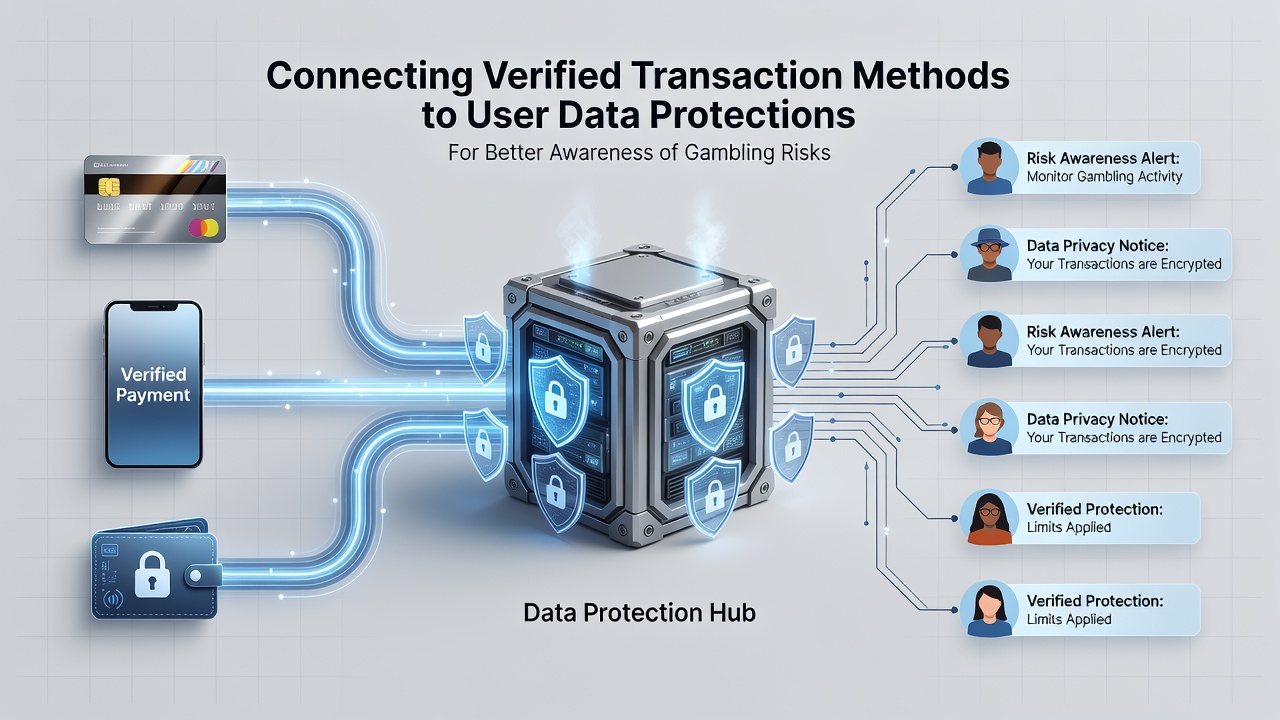
User data protections operate through consent layers and access controls that verified transactions help enforce. Players receive prompts during payment setup that explain how spending records contribute to risk monitoring tools, including deposit limits and session reminders delivered via the same mobile app. Evidence from European Commission data protection reports indicates that integrated verification systems improve compliance rates for self-exclusion requests by connecting payment histories directly to account flags.
Those who study mobile gambling patterns note that verified methods also limit data sharing with third-party analytics providers, since transaction confirmations stay within the operator's controlled environment. This setup lets platforms send targeted risk alerts based on actual deposit frequency rather than inferred behaviors from unverified sources.
Regulatory Developments and November 2026 Standards
Updates scheduled for November 2026 under Austrian gaming oversight require operators to tie verified transaction logs more tightly to real-time data protection dashboards available in mobile formats. These standards specify that any payment verification must trigger immediate options for players to review and adjust risk parameters, such as loss thresholds, without leaving the app interface. Figures from the Austrian Data Protection Authority reveal that similar prior alignments already cut unauthorized data access incidents by 22 percent in tested mobile casino environments.
Industry groups including the European Gaming and Betting Association have documented how these links between payments and protections help operators meet both gambling and privacy statutes in one workflow. The result appears in portable formats where users see unified notifications that combine transaction confirmations with personalized gambling risk summaries drawn from verified activity.
Practical Implementation Across Austrian Mobile Platforms
One study revealed that platforms using verified bank transfers alongside encrypted user profiles delivered risk awareness messages 40 percent more often than systems relying on unverified card entries. Observers note that this happens because verified data streams allow automated checks against historical patterns stored securely on Austrian servers. Players encounter these messages at deposit points or after reaching certain thresholds, all while the underlying data remains protected under GDPR portability rules that let users export or delete records on request.
Case examples from Austrian operators show that combining these elements reduces instances where accounts operate without proper identity checks, since each transaction reinforces the data protection baseline. What's interesting is how portable formats benefit specifically, as mobile devices handle smaller data packets during verification and risk flagging, which keeps battery and network demands low compared with desktop systems.
Broader Connections to Responsible Engagement
According to findings published by the National Institute on Drug Abuse, verified transaction records correlate with higher uptake of voluntary limit tools when those records feed directly into data-protected alert systems. In portable formats this means users receive concise summaries on their phones that reference only their verified activity, avoiding exposure of unrelated personal details. teh approach supports awareness without adding friction, since the same verification step serves both payment security and risk communication.
Additional evidence from Canadian Centre on Substance Use and Addiction reports highlights similar patterns in mobile gambling studies, where protected data flows from verified methods helped surface early signs of increased risk across user groups. Austrian platforms adopting these practices report steady integration with existing self-exclusion registries, which pull from the same verified transaction sources to maintain accurate player status across devices.
Conclusion
Verified transaction methods and user data protections intersect in mobile gambling to deliver targeted risk awareness through portable formats, and Austrian operators continue to align these elements under evolving standards set for November 2026. The connections rely on established regulatory frameworks that prioritize minimal data use while enabling practical tools for players. Data from multiple sources confirms measurable improvements in compliance and alert effectiveness when verification and protection systems operate together.