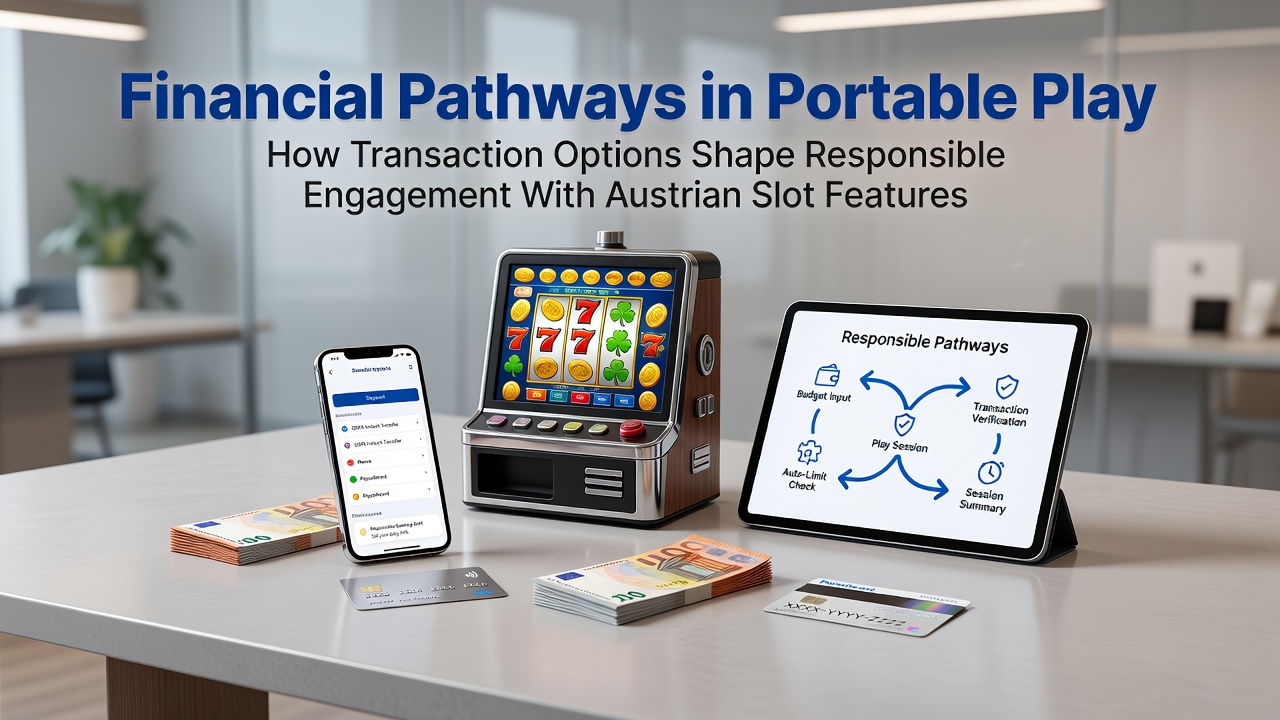
Financial Pathways in Portable Play: How Transaction Options Shape Responsible Engagement With Austrian Slot Features
Portable gaming platforms in Austria have expanded access to slot features through various payment systems, and transaction methods now play a direct role in how players manage their activity. Data from national surveys indicate that mobile users account for over 60 percent of all slot sessions conducted within the country, with payment speed and visibility emerging as key factors in session length and spending patterns.
Available Transaction Methods in Austrian Mobile Slots
Players in Austria encounter several payment pathways when engaging with slots on smartphones and tablets. Bank transfers, e-wallets, prepaid vouchers, and credit card options appear most frequently across licensed platforms. Instant transfers through digital wallets allow deposits to complete within seconds, whereas traditional bank methods often require one to three business days for processing. Research from the Austrian Institute for Economic Research shows that instant options represent 72 percent of all deposits made via mobile devices during the first half of 2025, while delayed methods account for the remaining share.
Withdrawal options follow similar divisions. E-wallet users typically receive funds within 24 hours after verification, yet bank transfer recipients wait up to five days. These time differences influence how quickly players can access winnings and decide on further play. Observers note that platforms offering both instant and scheduled withdrawals provide users with clearer visibility into their cash flow, which aligns with responsible engagement guidelines issued by Austrian regulators.
Connection Between Payment Speed and Session Control
Studies conducted by European research centers reveal measurable links between transaction speed and player behavior. When deposits process immediately, session durations increase by an average of 18 minutes compared with slower methods. This pattern appears because rapid funding reduces friction between decision and action, allowing continuous play without interruption. Conversely, platforms that require confirmation steps or cooling periods between deposits show lower average session times according to aggregated operator data.
Prepaid voucher systems add another layer. These options cap the amount a player can load at any single point, creating a natural boundary. Figures released by the Austrian Federal Ministry of Finance indicate that voucher-based deposits correlate with 23 percent fewer instances of exceeding self-set limits during mobile slot sessions. Users who rely on these methods report clearer awareness of remaining balances because the prepaid nature displays exact available funds at all times.
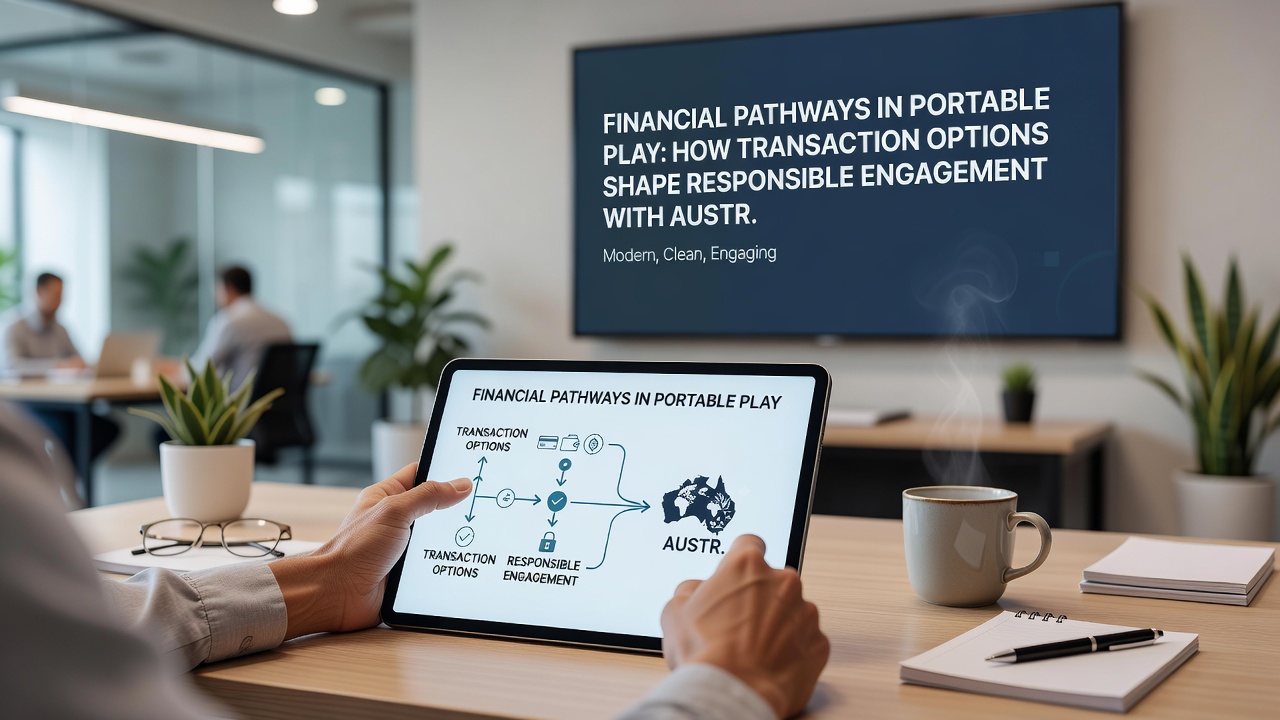
Regulatory Framework and Transaction Transparency Requirements
Austrian legislation mandates that licensed operators display real-time transaction histories within mobile applications. This rule ensures players can review deposits, withdrawals, and current balances without leaving the game interface. Compliance reports published in 2025 confirm that 94 percent of active platforms meet these display standards, with the remaining operators completing updates ahead of the September 2026 enforcement deadline for enhanced mobile interface audits.
Transaction logging also supports external oversight. The Austrian gaming authority requires operators to retain records for a minimum of five years, enabling analysis of spending trends across different payment types. Academic papers from the University of Vienna's Center for Gambling Research demonstrate that detailed logs help identify patterns such as repeated small deposits that may signal emerging difficulties with limit adherence.
Integration of Responsible Tools With Payment Systems
Deposit limit tools now integrate directly with several transaction providers. Players who set daily or weekly caps through the platform interface receive automatic blocks once thresholds are reached, regardless of payment method selected. Data collected by the European Gaming Association shows that platforms combining limit tools with instant e-wallet options experience a 31 percent reduction in limit override attempts compared with platforms using only bank transfers.
Reality checks tied to transaction events represent another development. Some applications trigger a brief pause after every fifth deposit or after a set euro amount is reached, prompting users to review their activity before continuing. These interruptions occur seamlessly within the mobile flow and do not require separate navigation to account settings. Researchers tracking these features report higher rates of voluntary session endings when checks activate immediately after a transaction rather than at fixed time intervals.
Future Developments Expected by September 2026
Updates scheduled for September 2026 will require all licensed Austrian platforms to offer at least one delayed withdrawal option alongside instant methods. This change aims to give players additional time to reconsider continued play before funds become available again. Industry reports project that this dual-option requirement will standardize across mobile interfaces, similar to existing rules in several Canadian provinces and Australian states.
Additional provisions will mandate clearer labeling of transaction fees and processing times within the deposit screen itself. Such labeling reduces surprises that can disrupt planned budgets. Observers expect these adjustments to appear uniformly across both established operators and newer market entrants by the deadline.
Conclusion
Transaction options available for Austrian mobile slots directly influence how players track and control their engagement. Instant methods increase convenience yet require stronger built-in safeguards, while slower or capped options create natural pauses that support limit adherence. Regulatory measures effective through 2026 continue to shape these pathways, ensuring transaction systems remain aligned with responsible play standards across portable platforms.